Comparing the CPX-2 vs Glock 43X is one of the most common questions we hear from shoppers who want a slim, easy-to-carry 9mm without overspending. Both pistols are compact, both hold ten rounds in a flush magazine, and both are popular choices for everyday carry. Beyond those basics, they take very different paths in trigger design, weight, features and price point. This guide breaks down the real-world differences so you can decide which one fits your hands, your budget and the way you carry a concealed carry 9mm.
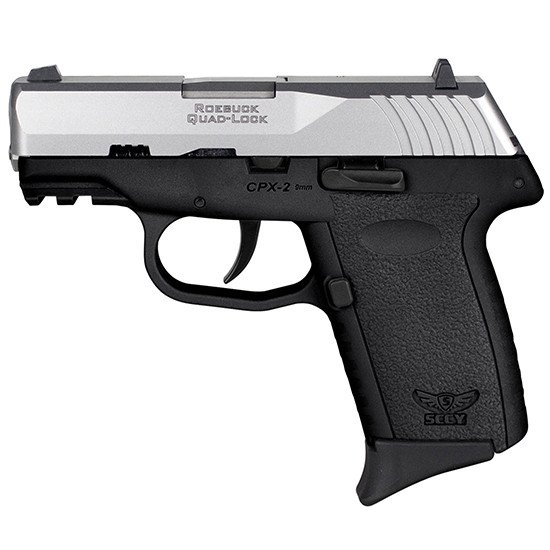
CPX-2 vs Glock 43X at a Glance
Before digging into details, here is a quick overview of how the two pistols line up. Exact figures vary slightly by generation and source, so check each manufacturer’s current specifications before you buy.
- Caliber: Both are chambered in 9mm Luger, the most popular defensive handgun cartridge in the country.
- Capacity: The SCCY CPX-2 carries 10+1. The Glock 43X ships with 10-round magazines as standard.
- Weight: The CPX-2 weighs roughly 15 ounces unloaded, while the Glock is a few ounces heavier.
- Action: The CPX-2 uses a hammer-fired double-action-only (DAO) trigger. The Glock uses a striker-fired Safe Action trigger.
- Optics: SCCY offers optic-ready RDR models. Glock offers optic-ready MOS versions of the 43X.
- Warranty: SCCY backs the CPX-2 with a lifetime warranty.
Size, Weight and Concealability
Both pistols are designed to disappear under a t-shirt, but they get there differently. The Glock 43X is known for its very thin slide and a grip that is long enough for a full hand. That combination makes it comfortable to shoot and easy to hide inside the waistband.
The SCCY CPX-2 is shorter overall and noticeably lighter. At about 15 ounces, it is one of the lightest 9mm pistols in its class, which matters when you carry for twelve hours a day. Lighter guns can feel snappier, but many owners find the trade-off worth it for all-day comfort. If you carry in a pocket holster, ankle rig or belly band, the lighter SCCY often has the edge. Our CPX-2 holster guide covers the most popular carry options.
Trigger: DAO vs Striker
This is the biggest difference between the two guns, and the one you should think about most carefully.
SCCY CPX-2 DAO Trigger
The CPX-2 trigger is long and smooth, more like a double-action revolver than a typical striker pistol. Every pull is the same, and the gun has re-strike capability, so if a round fails to fire you can press the trigger again. The long, deliberate pull acts as a built-in safeguard, which is why the CPX-2 does not need a manual safety. It takes practice to shoot it fast and accurately, but the consistency is reassuring for a carry gun.
Glock 43X Striker Trigger
The Glock trigger is shorter, with a defined wall and a quicker reset. Many shooters find it easier to shoot quickly at the range. It also demands strict trigger discipline and a holster that fully covers the trigger guard, which is true of any striker-fired carry pistol.
If you are new to handguns, try to shoot both styles if you can. Some people love the predictable DAO pull; others prefer the short striker press.
Capacity and Magazines
Out of the box, both guns are essentially tied at ten rounds in the magazine plus one in the chamber. The Glock benefits from a huge aftermarket for magazines and extensions, while the CPX-2 has its own selection of factory magazines and grip accessories. For most concealed carriers, ten rounds of quality defensive ammunition is a sensible everyday load, and carrying a spare magazine is a smart habit with either pistol.
Optics and Upgrades
Red dots have become mainstream on carry pistols, and both platforms have optic-ready options. SCCY RDR models come cut for a compact red dot, and some packages ship with an optic already mounted. Glock offers MOS models of the 43X for slim optics. If you want a dot, pick the optic-ready version from the start rather than paying for slide milling later. Our red dot guide for the CPX-2 RDR covers fit and mounting.
Style, Colors and Personal Fit
Glock pistols are known for a utilitarian look. SCCY takes the opposite approach, with a wide range of frame colors and a choice of stainless or black nitride slides. If you want a carry pistol that reflects your personality, the CPX-2 lineup gives you far more choices.
Fit matters more than looks, though. Hold each gun if you can. The SCCY grip is shorter, while the Glock grip is longer and flatter. Hand size and carry position will push you toward one or the other.
Value and Ownership
The Glock 43X has a strong reputation and an enormous accessory ecosystem, and it is generally priced higher. The SCCY CPX-2 is built to be an affordable, dependable budget 9mm pistol backed by a lifetime warranty from SCCY Industries. For many buyers, that combination of value and warranty support is hard to beat. Either way, budget for a good holster, practice ammo and training.
Which Should You Choose?
- Choose the SCCY CPX-2 if you want the lightest practical carry gun, a consistent DAO trigger with no manual safety, lots of color options and a strong warranty at a budget-friendly price point.
- Choose the Glock 43X if you prefer a short striker trigger, a longer grip and the deepest aftermarket support.
Bottom Line: CPX-2 vs Glock 43X
In the CPX-2 vs Glock 43X matchup, there is no wrong answer, only the right fit for you. If light weight, simplicity and value top your list, the SCCY makes a compelling Glock 43X alternative. Read our full SCCY CPX-2 review, compare it against other budget 9mm pistols, then browse the full CPX-2 lineup to find your color and slide finish. Buying online? Our FFL transfers page explains how the process works.